

Mobile On-Site Services: What to Expect When an Engineer Comes to You

/ 2
When hydraulic equipment breaks down, transporting machinery to a workshop is not always practical. A damaged hose, leaking connection or failed hydraulic component can bring production to a halt, particularly when equipment is installed on a production line, vehicle or large industrial machine.
A mobile hydraulic engineer can assess certain faults and carry out repairs at your premises, helping reduce the time and disruption associated with moving equipment off-site.
Understanding what happens during an on-site visit can help businesses prepare for the engineer’s arrival and get their equipment back into operation as efficiently as possible.
When Should You Call a Mobile Hydraulic Engineer?
Mobile hydraulic services can be useful for both unexpected breakdowns and planned maintenance.
Common reasons to arrange a visit include:
- Damaged or leaking hydraulic hoses.
- Worn or unsuitable hose fittings.
- Hydraulic equipment that is not operating as expected.
- Planned inspections and preventative maintenance.
- Component replacement where machinery is difficult to transport.
- Maintenance work that needs to be completed around production schedules.
Not every repair can be completed on-site. Some faults require specialist workshop equipment, component refurbishment or further investigation. An initial discussion helps establish the nature of the problem and whether a mobile visit is appropriate.
What Happens During an On-Site Hydraulic Repair?
- Discussing the problem
Before attending, the service team will need information about the equipment, the symptoms and the circumstances surrounding the fault. Details such as the machine type, affected component, visible damage and any recent maintenance can help the engineer prepare. Photographs, model numbers and existing hose specifications may also be useful. Where the failure has stopped production, explain the operational impact so the team can understand the urgency.
- Assessing the equipment
On arrival, the engineer assesses the reported issue and the condition of the relevant hydraulic or pneumatic components. Depending on the fault, this may involve inspecting hoses and fittings, checking for visible damage, reviewing component specifications and investigating possible causes of the failure. Safety is a priority. Hydraulic systems can retain pressure even when machinery is switched off, so appropriate isolation and depressurisation procedures must be followed before work begins.
- Carrying out the repair
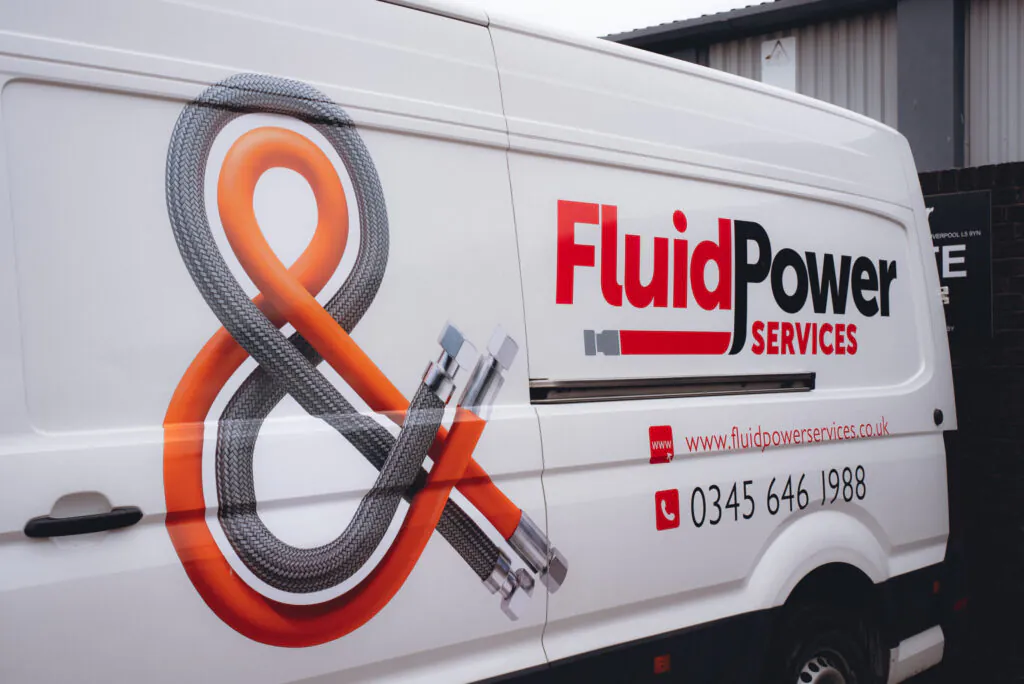
Where the fault can be resolved safely with the equipment and parts available, the engineer can proceed with the repair. Fluid Power Services’ mobile vehicles carry a selection of hydraulic hoses, pneumatic tubing and fittings. This allows its engineers to manufacture replacement hose assemblies on-site where suitable. Having access to these materials can reduce the need to remove a damaged assembly and arrange a separate workshop visit. If a fault involves a component that cannot be repaired on-site, the engineer may recommend further workshop investigation or replacement.
- Checking the system
After the repair, the affected system should be checked using appropriate procedures to confirm that the work has been completed correctly. The precise checks depend on the repair and equipment involved. The machine should only be returned to service once it is safe to do so and the relevant operational requirements have been met.
How Can Mobile Hydraulic Services Reduce Downtime?
One of the main advantages of an on-site repair is that machinery does not necessarily need to be transported elsewhere for assessment or repair. This can be particularly beneficial for fixed installations, production equipment and machinery that is difficult to move. Mobile support can also help businesses manage maintenance around operational commitments. Planned visits may allow certain repairs and inspections to be completed during scheduled downtime rather than waiting for a breakdown. However, repair times and outcomes depend on the fault, parts availability, access to the equipment and whether further workshop work is required.
How to Prepare for an Engineer’s Visit
A little preparation can help the visit run more smoothly.
Before the engineer arrives:
- Provide the machine make, model and relevant component information.
- Explain the symptoms and when the problem first appeared.
- Share photographs of the affected area if possible.
- Arrange safe access to the equipment.
- Identify any site induction, permit or safety requirements.
- Ensure relevant maintenance records are available.
Do not attempt to remove a damaged pressurised hose or investigate a suspected high-pressure leak yourself. Follow your site’s safety procedures and keep personnel away from unsafe equipment.
Mobile Hydraulic Service from Fluid Power Services
Fluid Power Services provides mobile on-site hydraulic and pneumatic repair, maintenance and support. Its engineers can manufacture suitable hose assemblies at the customer’s premises and investigate faults where the necessary equipment and parts are available.
The service supports businesses looking to reduce disruption and avoid transporting machinery unnecessarily.
If you need an on-site hydraulic repair, contact the mobile team on 0345 646 1988 or visit the mobile on-site service page.
Keep Your Equipment Running
A hydraulic breakdown can affect productivity, deadlines and maintenance budgets. Mobile engineering support provides a practical way to address suitable faults at the equipment’s location, while helping businesses identify when a more extensive repair is required.
Providing clear information before the visit and ensuring safe access can help the engineer assess the problem and determine the most appropriate next step.
For planned maintenance or unexpected hydraulic faults, Fluid Power Services can help you discuss the support your equipment needs.