
Compliance-Driven Component Selection for Pharmaceuticals

/ 2
Compliance-Driven Component Selection for Pharmaceuticals
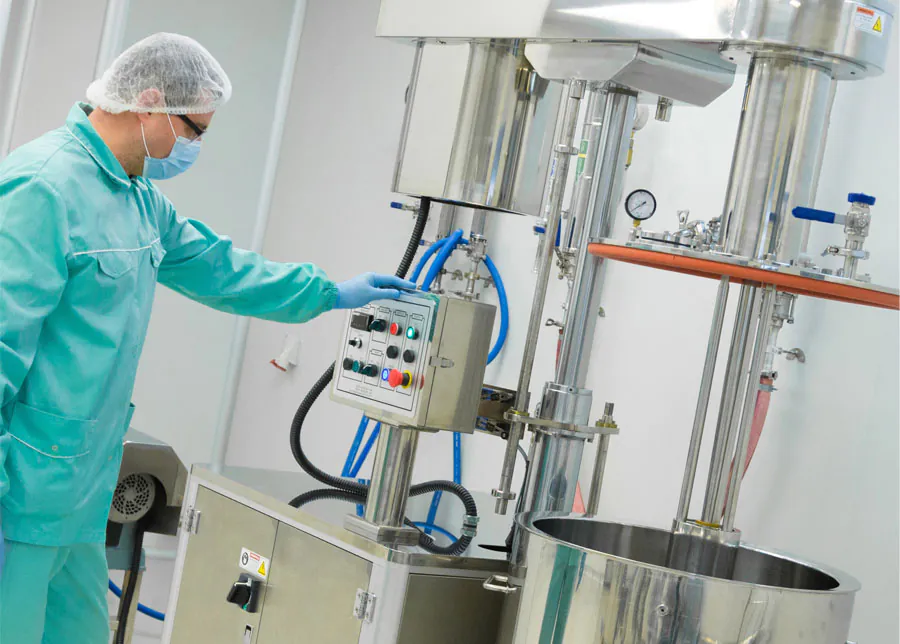
Pharmaceutical manufacturing relies on precision, consistency and carefully controlled production environments. From automated packaging lines to laboratory equipment and material handling systems, every component must be suitable for its intended application.
Hydraulic and pneumatic technologies provide the force and controlled movement required by many types of pharmaceutical machinery. However, component selection involves more than assessing pressure ratings or mechanical performance. Material compatibility, contamination risks, documentation and maintenance requirements can all influence the suitability of a product.
Choosing the right pharmaceutical hydraulic components therefore starts with understanding the operating environment and the requirements that apply to the equipment.
Where Are Hydraulic and Pneumatic Systems Used in Pharmaceuticals?
Fluid power systems support a range of pharmaceutical manufacturing activities, including:
• Material handling conveyors, lifts and positioning equipment.
• Automated machinery used in filling, sealing and packaging.
• Actuators and valves used to control mechanical movement.
• Laboratory and production equipment requiring repeatable operation.
• Pneumatic systems supporting air handling and controlled environments.
The appropriate technology depends on the task. Pneumatics is frequently used for clean, controlled movement, while hydraulics can provide high forces where the machine design requires them. The key consideration is whether the selected system is appropriate for the environment, including any potential impact on product quality.
What Does Compliance Mean When Selecting Components?
There is no single approval that automatically makes every hydraulic or pneumatic component suitable for pharmaceutical use. Requirements depend on the equipment’s function, the materials involved and whether the component meets a product or process fluid. Engineers should consider several areas when specifying components.
Material compatibility
Materials must be suitable for the fluids, cleaning agents and environmental conditions they will encounter. For example, stainless steel components may be appropriate in certain corrosion-resistant applications, but the required grade depends on the process. Seals, hose linings and other non-metallic materials must also be checked for compatibility. A product that performs well in a general industrial installation may not be suitable for a pharmaceutical process without further assessment.
Contamination control
Contamination risks should be considered throughout the system, not just at the point where a product is handled. A hydraulic leak near production equipment may create a risk even when the hydraulic fluid is not intended to contact the pharmaceutical product. Pneumatic systems also require appropriate air quality and component cleanliness. System layout, sealing arrangements, maintenance procedures and the positioning of equipment can all influence contamination control.
Traceability and documentation
Pharmaceutical manufacturing often requires documented processes and controlled maintenance practices. Depending on the application, useful documentation may include product specifications, material certificates, declarations of conformity, batch or serial identification and maintenance records. Traceability can help engineers identify which component was installed, establish its specification and support investigations when a fault occurs. The required documentation should be agreed with the customer’s quality team before components are specified or ordered.
Choosing Hygienic Fluid Power Components for Pharma
When selecting hygienic fluid power for pharma, engineers should establish whether a component is directly exposed to the product, forms part of a process-fluid system or simply powers the surrounding machinery. This distinction helps determine the level of hygienic design and supporting documentation required.
For applications where corrosion resistance is important, stainless-steel hoses, fittings and adaptors may be worth considering. However, the material grade, connection design, sealing materials and cleaning requirements must all be appropriate for the application. Hose assemblies also require careful selection. Working pressure, temperature, fluid compatibility and connection type must be considered alongside any cleanliness or traceability requirements. Avoid assuming a component described as food-grade, hygienic or stainless steel automatically meets pharmaceutical requirements. Always verify the manufacturer’s specifications and any approvals required by the end user.
Maintaining Compliance Throughout the Equipment Lifecycle
Component selection is only the first step. Maintenance and replacement procedures also need to support the requirements of the installation. Businesses should establish suitable inspection schedules, retain relevant service records and ensure replacement components match the approved specification.
Where a component is changed, engineers should assess whether the replacement affects material compatibility, system performance or the documentation associated with the equipment. Working with a supplier that understands traceability and technical documentation can help simplify this process, particularly for hose assemblies and components used in demanding industrial environments.
Pharmaceutical Fluid Power Support from Fluid Power Services
Fluid Power Services supplies hydraulic and pneumatic products for pharmaceutical applications, including hoses, fittings, actuators, valves and couplings. Its offering includes stainless steel components and hygienic hose and fitting solutions, with technical support to help customers identify products suited to their requirements. FPS also provides on-site repair and refurbishment services, supporting businesses that need to maintain equipment while managing operational disruption.
Explore the pharmaceutical industry services at Fluid Power Services.
Make Component Selection Part of Your Compliance Strategy
Selecting pharmaceutical fluid power components requires a clear understanding of the process, the operating environment and the documentation needed to demonstrate suitability. By assessing materials, contamination risks, traceability and maintenance requirements before ordering, engineers can make more informed decisions and reduce the risk of unsuitable replacements. For support with pharmaceutical hydraulic components, hygienic fittings and associated fluid power products, contact Fluid Power Services to discuss your application.