

What Is a Hydraulic Management Service and Is Your Business Paying for Downtime Without One?
Hydraulic management services provide a structured approach to inspecting, maintain and servicing hydraulic assets. Read on to find out more.
/ 2
Hydraulic failures rarely happen at a convenient time. A leaking hose, worn fitting or failing component can bring machinery to a standstill, leaving businesses facing lost production, delayed projects and unexpected repair costs. For businesses operating large numbers of hydraulic assets, reactive maintenance can quickly become an expensive cycle. This is where a hydraulic management service can help. Rather than waiting for equipment to fail, hydraulic system management provides a structured approach to inspecting, maintaining, tracking and servicing hydraulic assets before problems become major failures.
What Is a Hydraulic Management Service?
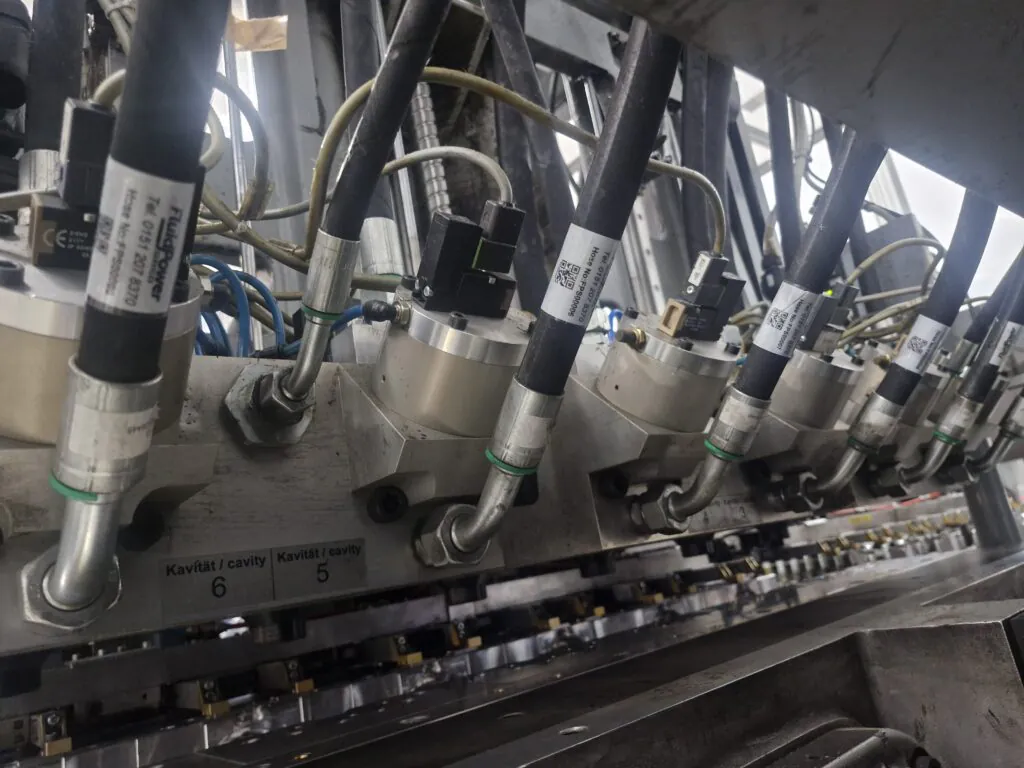
A hydraulic management service is a proactive approach to maintaining a business’s hydraulic equipment. Instead of relying entirely on operators to identify faults or waiting until a breakdown occurs, hydraulic assets are systematically inspected, recorded and maintained.
This can include:
• Hydraulic hoses
• Fittings
• Pumps
• Valves
• Cylinders
• Accumulators
• Pipework
• Power packs
• Other hydraulic components
Fluid Power Services provides a hydraulic asset management solution designed to help businesses monitor, maintain and optimise their hydraulic systems through a cloud-based platform.
Why Is Hydraulic System Management Important?
Many businesses know exactly how much a replacement hose or hydraulic component costs. The bigger cost can be what happens while the machine isn’t working. Depending on the application, downtime can result in:
• Lost production
• Missed deadlines
• Idle employees
• Delayed deliveries
• Emergency repair costs
• Equipment damage
• Lost revenue
• Potential contractual penalties
This means hydraulic maintenance should be considered in terms of total operational cost rather than simply the price of replacement parts.
Reactive Maintenance vs Proactive Hydraulic Maintenance
Reactive Maintenance
Reactive maintenance means responding when something goes wrong. The problem with this approach is that the failure has already happened. There may also be additional damage if the original problem has affected other components.
Proactive Maintenance
A proactive approach aims to identify developing problems before they cause an unexpected failure. The repair can potentially be planned around production schedules or shutdown periods rather than being dictated by an emergency breakdown.
How Does Hydraulic Asset Management Work?
A structured hydraulic management service can be divided into several stages.
Stage 1: Inspect
Engineers inspect the hydraulic equipment on site and record the condition of the assets.
This can identify:
• Wear
• Leaks
• Damaged hoses
• Deteriorating fittings
• Potential failure points
• Safety concerns
• Maintenance requirements
Fluid Power Services’ hydraulic management service begins with a comprehensive site assessment, with findings and potential risks documented.
Stage 2: Scan and Service
The next stage is to address the issues identified during inspection. This can include maintenance of hydraulic hoses, fittings and accumulators, along with other required servicing. The objective is to deal with emerging problems before they develop into more disruptive failures.
Stage 3: Track
Following the service visit, the condition of the assets and recommended actions are recorded. Fluid Power Services provides reports covering inspections, service visits and asset status, with recommendations for repairs, replacements or upgrades. Future maintenance can then be scheduled according to the requirements of the equipment.
What Does Hydraulic Asset Tracking Actually Mean?
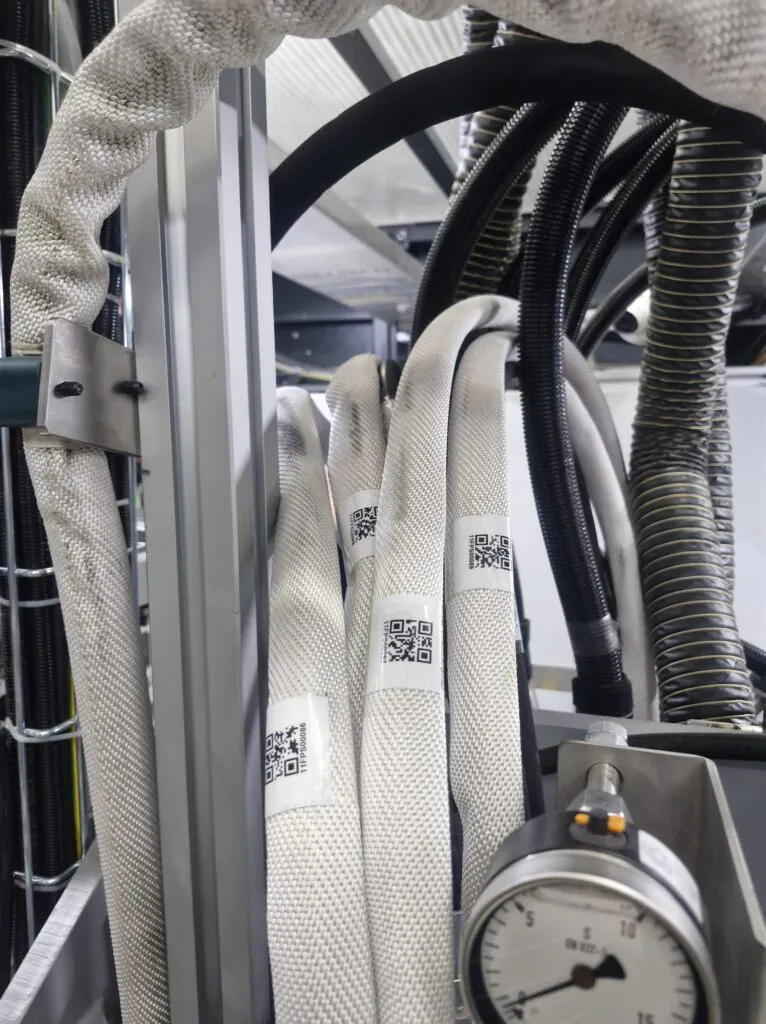
Asset tracking provides a central record of your hydraulic equipment. Instead of relying on paper job sheets, spreadsheets or individual engineers remembering what was previously repaired, information can be stored digitally. Depending on the system, this may include:
• Asset identification
• Inspection dates
• Service history
• Component information
• Repairs carried out
• Recommended actions
• Future maintenance dates
• Asset condition
Preventing Unexpected Hydraulic Failures
No maintenance programme can eliminate every hydraulic failure. However, regular inspection can identify warning signs before they develop into a breakdown. For example, an inspection may identify:
• Damaged hose covers
• Poor hose routing
• Abrasion
• Leaking fittings
• Corrosion
• Excessive vibration
• Deteriorating components
Addressing these issues during planned maintenance can reduce the likelihood of an unexpected failure. Fluid Power Services specifically positions its hydraulic management service around identifying emerging issues early and reducing disruption to operations.
Planning Maintenance Around Your Business
One of the biggest advantages of proactive hydraulic management is that maintenance can be planned. Instead of waiting for equipment to fail during production, repairs can potentially be scheduled around:
• Planned shutdowns
• Maintenance periods
• Production changes
• Staff availability
• Equipment servicing
• Seasonal demand
Fluid Power Services states that its maintenance schedules can be tailored around individual operational requirements.
Compliance and Documentation
Hydraulic asset management can also make it easier to maintain records relating to inspections and servicing. Having documented maintenance information provides a clearer history of the equipment and can help businesses demonstrate that appropriate maintenance processes are being followed.
Fluid Power Services also operates a quality management system aligned with ISO 9001:2015 and provides traceability for relevant hose and field products, including certificates of conformity and pressure test certification where required.
The specific compliance requirements will depend on the equipment, industry and application.
Could Hydraulic Management Reduce Downtime?
A hydraulic management programme is not a guarantee that machinery will never fail. Its purpose is to make maintenance more proactive and reduce the likelihood and impact of avoidable failures.
The potential benefits include:
• Earlier identification of problems
• Planned component replacement
• Better maintenance records
• Reduced emergency call-outs
• Improved asset visibility
• Longer component life
• Better maintenance planning
• Reduced disruption to operations
Fluid Power Services also provides mobile on-site hydraulic repair, allowing engineers to diagnose and repair hydraulic equipment at the customer’s site where appropriate.
What Happens If a Failure Still Occurs?
Even with proactive maintenance, unexpected failures can happen. This is why a hydraulic management service can work particularly well alongside access to emergency support.
Fluid Power Services’ mobile service vehicles carry a selection of hydraulic hose, pneumatic tube and fittings, allowing engineers to manufacture replacement hose assemblies on site where appropriate. This can help reduce the time between failure and recommissioning.
Who Can Benefit from Hydraulic Management?
Hydraulic asset management can be particularly useful for businesses with:
• Large numbers of hydraulic machines
• Multiple sites
• Safety-critical equipment
• Production-critical machinery
• Frequent hose failures
• Planned shutdown periods
• Complex hydraulic systems
• High costs associated with downtime
It can also be useful where businesses don’t have a dedicated hydraulic maintenance team.
Is Your Business Paying for Avoidable Downtime?
If a single failure can result in several hours of lost production, emergency engineering costs and missed deadlines, investing in preventative maintenance may be worth considering.
The answer will be different for every business, but understanding the true cost of downtime makes the decision much easier.
Take Control of Your Hydraulic Assets
Fluid Power Services’ hydraulic management service combines on-site inspection, servicing, asset tracking and maintenance planning to help businesses take a more proactive approach to hydraulic system management.
If you’re regularly dealing with unexpected hydraulic failures, it may be time to move from reactive repairs to a planned maintenance strategy. Speak to the team at Fluid Power Services today.